


Luxury housing relies on more than prime addresses and extravagant amenities.
Indeed, at the top end of the real estate market, list prices and demand are driven by currents that touch many borders: Think international capital flow and policy shifts as well as singular buyer behavior that impacts everywhere from California to the United Arab Emirates.
What has changed, however, is momentum.
The turbo-charged pandemic tailwinds that propelled luxury housing well beyond the initial surge is all but gone. For several years, the desire for property—that seemed to only rise in equity—boosted prices across much of the world. That urgency boom, while not in bust territory, has deflated. Buyers are still active, but have grown more selective. Price gains, once broad, are no longer happening all at once.
Global luxury price growth stabilized in 2025, according to Knight Frank’s Prime International Residential Index, as buyers grew more resistant to runaway pricing.
Developers and investors are still forging ahead, driving capital into real estate, however. Savills World Research reports that global real estate investment turnover reached about $633 billion by the third quarter up 10% from a year earlier.
“After a turbulent few years, global real estate capital markets have shown clear signs of recovery throughout 2025,” said Charlotte Rushton, a research analyst with Savills World Research.
Still, the upturn is far from uniform as local real estate conditions come into play. In Dubai, years of prices climbing quickly may be leveling even at the high end. In London, prolonged policy uncertainty slowed activity through much of 2025 before demand re-emerged later in the year.
Elsewhere, supply constraints, wealth creation and shifting buyer priorities are reshaping where pricing power holds.
Looking ahead to 2026, luxury housing appears poised to enter a more exacting phase. Against this backdrop, six forces are shaping how high-net-worth buyers are planning for the year ahead.
1. The Affordability Factor
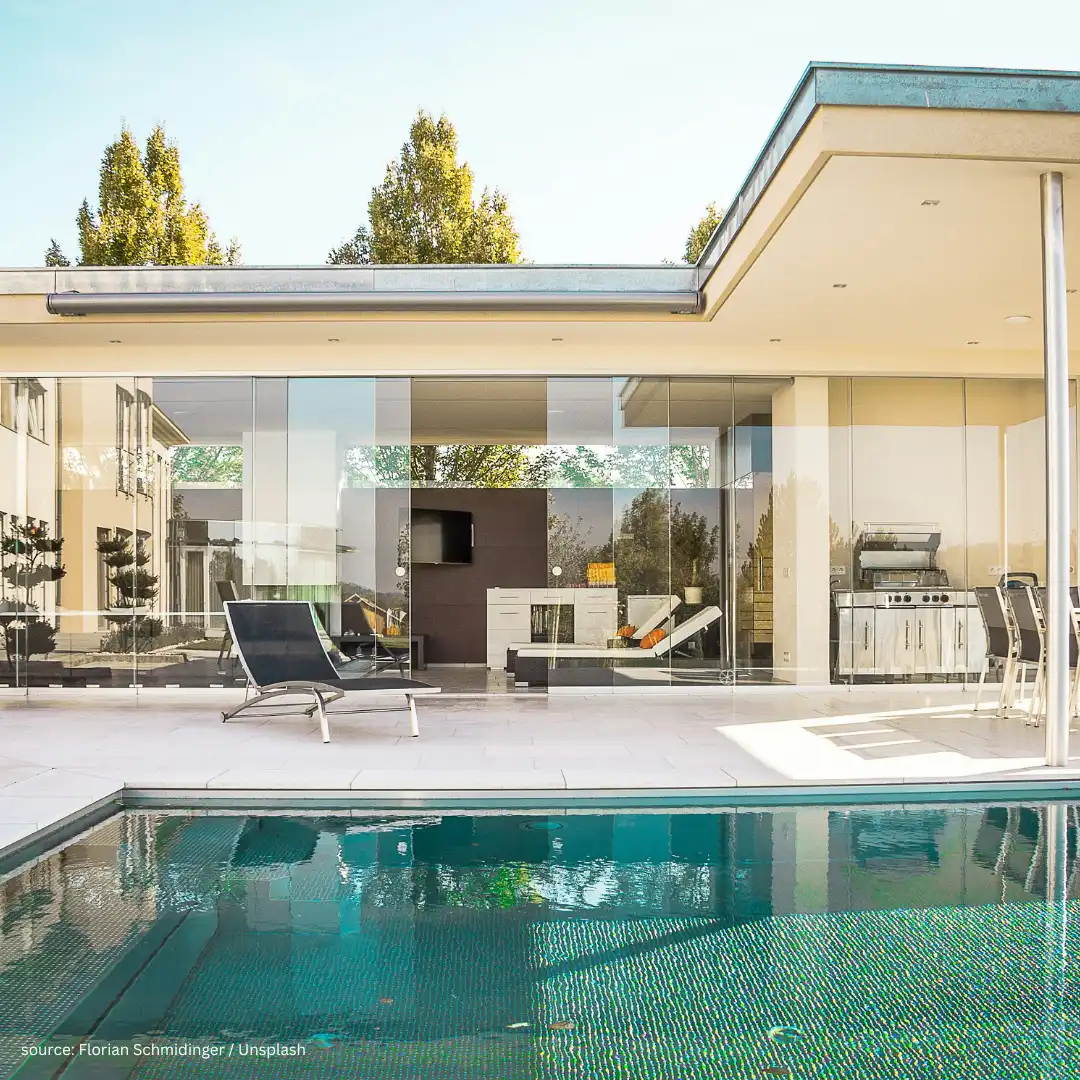
The oft-touted “affordability” buzzword is no longer confined to the mainstream housing market. At the luxury level, the idea translates into just how much a buyer is willing to pay.
In the U.S., ever-rising construction costs are hamstringing high-end markets such as Los Angeles, where labor shortages, higher materials costs and rebuilding activity after the wildfires in January are pushing home costs skyward, Billy Rose, the Agency’s co-founder and vice chairman, said he expects upward pressure on pricing to persist in California, where the company is based.
“I believe pricing is poised to materially increase over the next 12 to 24 months,” Rose said. He pointed to local climbing construction costs driven by immigration policies and tariffs, as well as overall demand following recent fires. As displaced homeowners receive insurance payouts and re-enter the market, Rose expects a surge in demand that could further tighten conditions.
In Dubai, it’s the years of rapid appreciation rather than the climate that’s beginning to test even wealthy buyers. Case in point: Several high-end villa communities have quadrupled in value over the past five years, according to ValuStrat.
“We do recognize that we are very much nearing the final stage of the cycle,” said Haider Tuaima, managing director and head of real estate research at ValuStrat, a leading international consulting group. Annual capital gains in Dubai’s prime residential market that once approached 38% have slowed closer to 20%, with further moderation expected in 2026.
“For 2026, [the market] is going to be positive,” Tuaima added, “but not as positive as we saw in the previous four or five years.”
In London, affordability pressures are more muted, but buyer sensitivity has sharpened after years of tax and fiscal uncertainty. Frances McDonald, director of residential research at Savills, said central London prices still remain roughly 25% below their 2014 peak.
“We don’t think there’s going to be significant price falls,” she said. “But we do think there will be some price sensitivity and some buyers will still be a bit more cautious.”
2. Wealth Creation Broadens

As always, the ups and downs of the luxury housing markets remain closely tied to wealth creation (or lack thereof), particularly in markets exposed to significant equities, private capital and technology-driven growth.
“I expect strength in the stock market to continue as AI-driven productivity expands corporate earnings,” said New York-based luxury broker Mike Fabbri of the Agency RE. “When equities grow, so does buyer confidence in the luxury sector.”
Knight Frank’s Prime International Residential Index showed that cities linked to financial and tech wealth have delivered some of the strongest multiyear gains worldwide.
“Wealth generation more broadly is accelerating and that has a direct impact on prime markets,” said Kelcie Sellers, associate director at Savills World Research.
Sellers noted that the geography of wealth itself is changing and pointed to “increasing wealth generation around the world,” a trend UBS Global Wealth Report quantified by projecting that roughly 30% of global wealth will soon be held in economies historically classified as emerging. Sellers added that the pace of wealth creation remains significant. UBS estimated roughly 680,000 new U.S.-dollar millionaires were added globally in the most recent year alone, with “a couple million” more expected worldwide before the end of the decade.
3. Interest Rates Matter, but Not Everywhere
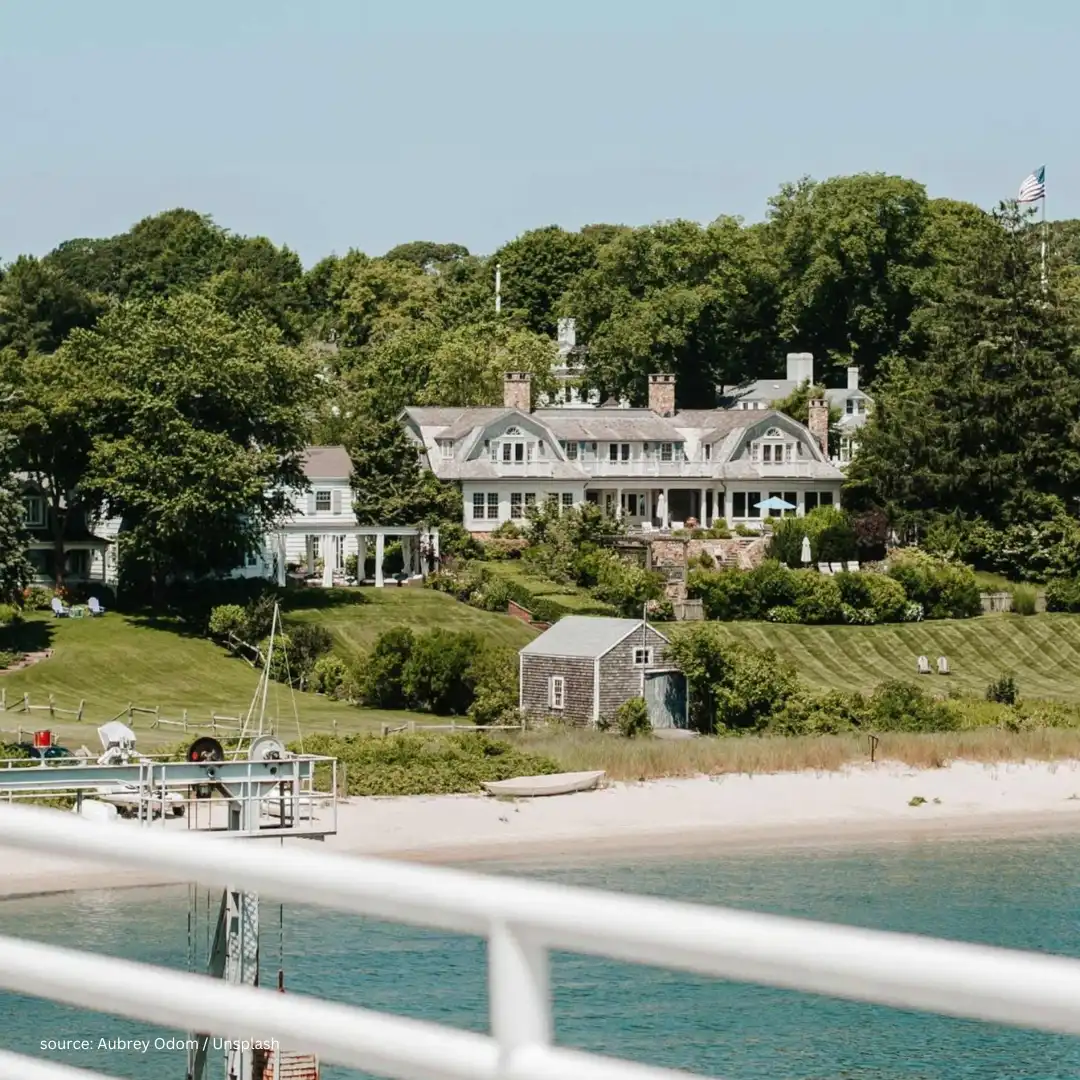
Cheaper interest rates are expected to sustain real estate transactions through 2026. While this mostly affects real estate outside the ultra-prime segment, it helps buoy overall borrowing.
“A key catalyst for this recovery has been falling debt costs,” Rushton said, referring to global real estate capital markets. “Lower debt costs and stabilizing capital values have made debt accretive to returns once again,” meaning borrowing is starting to enhance investment returns rather than erode them.
In the U.S., that dynamic is expected to be felt most acutely just below the ultra-luxury tier. The Agency’s 2026 Red Paper highlights forecasts from Fannie Mae suggesting mortgage rates could drift below 6% by late 2026, potentially unlocking sidelined demand in high-cost markets such as New York and Los Angeles.
Sellers added that while prime buyers are less reliant on financing, “higher rates and ongoing macroeconomic volatility create a general sense of caution,” even when transactions continue. “It may not stop people from moving,” she said, “but everyone is aware of the economic environment and how uncertain it feels.”
4. Policy Clarity Shapes Where the Rich Buy Homes
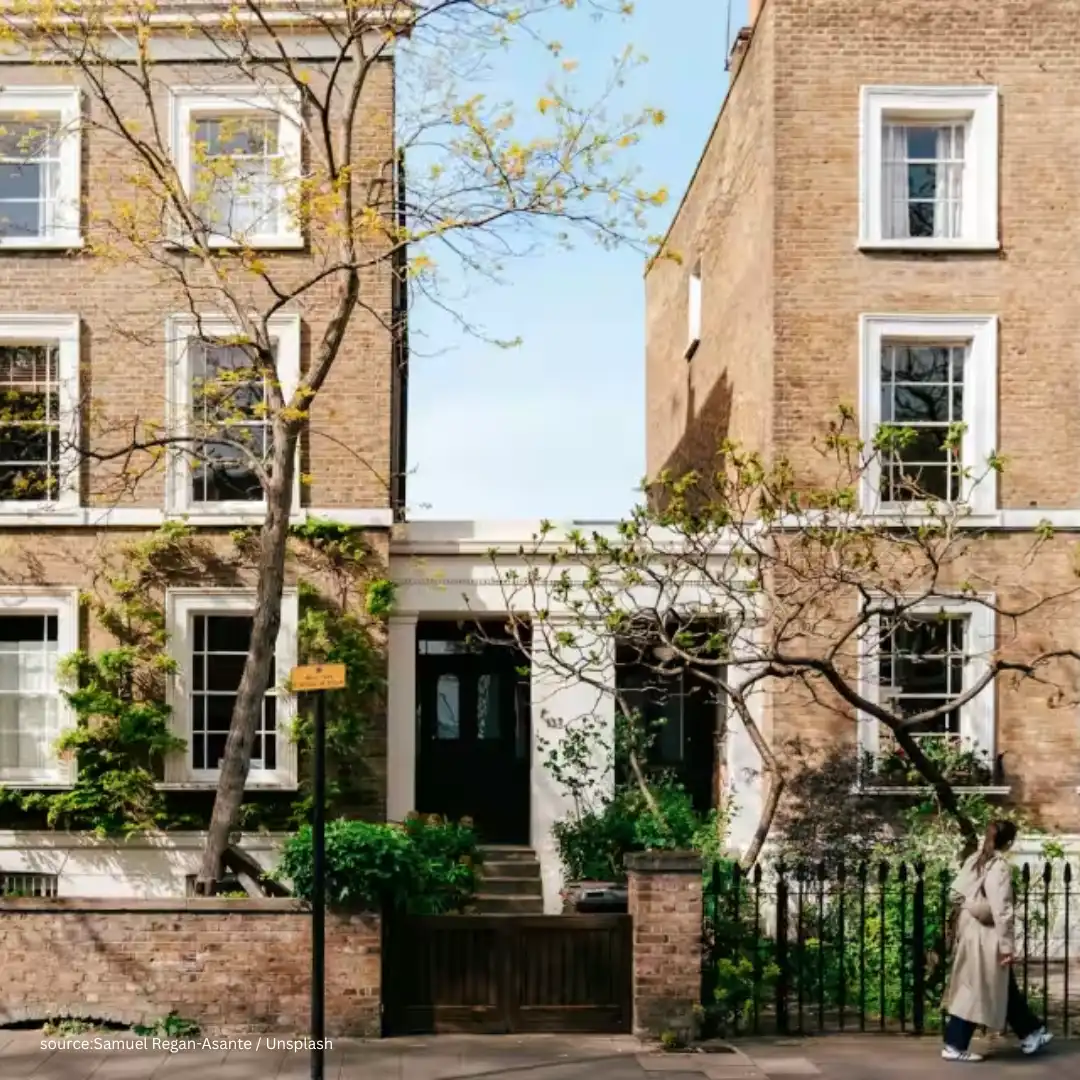
Policy certainty has once again become a key factor influencing where wealthy buyers decide to live and invest.
In London, ongoing speculation about tax changes hampered real estate buying for much of 2025. McDonald said transactions above $1 million dropped around 20% year over year in November as buyers waited for clarity.
Since the country’s tax and spending plan was finally announced late last month, activity has begun to pick up. “We’ve seen a bit of a flurry of activity, particularly at the top end,” McDonald added.
“We could kind of see a two-stage return of demand,” she said, describing an initial release of buyers who had been sitting on the fence, followed by a more sustained pickup as uncertainty clears.
Elsewhere in Europe, policy clarity has been a boon to certain markets. Sellers pointed to Milan as an example, where Italy’s flat-tax regime for new residents has helped keep international interest elevated.
The program allows qualifying newcomers to pay a fixed annual levy of €200,000 on foreign-sourced income, regardless of how much they earn abroad, creating a rare degree of tax certainty for high-net-worth buyers weighing where to base themselves.
5. Supply Constraints Remain Structural
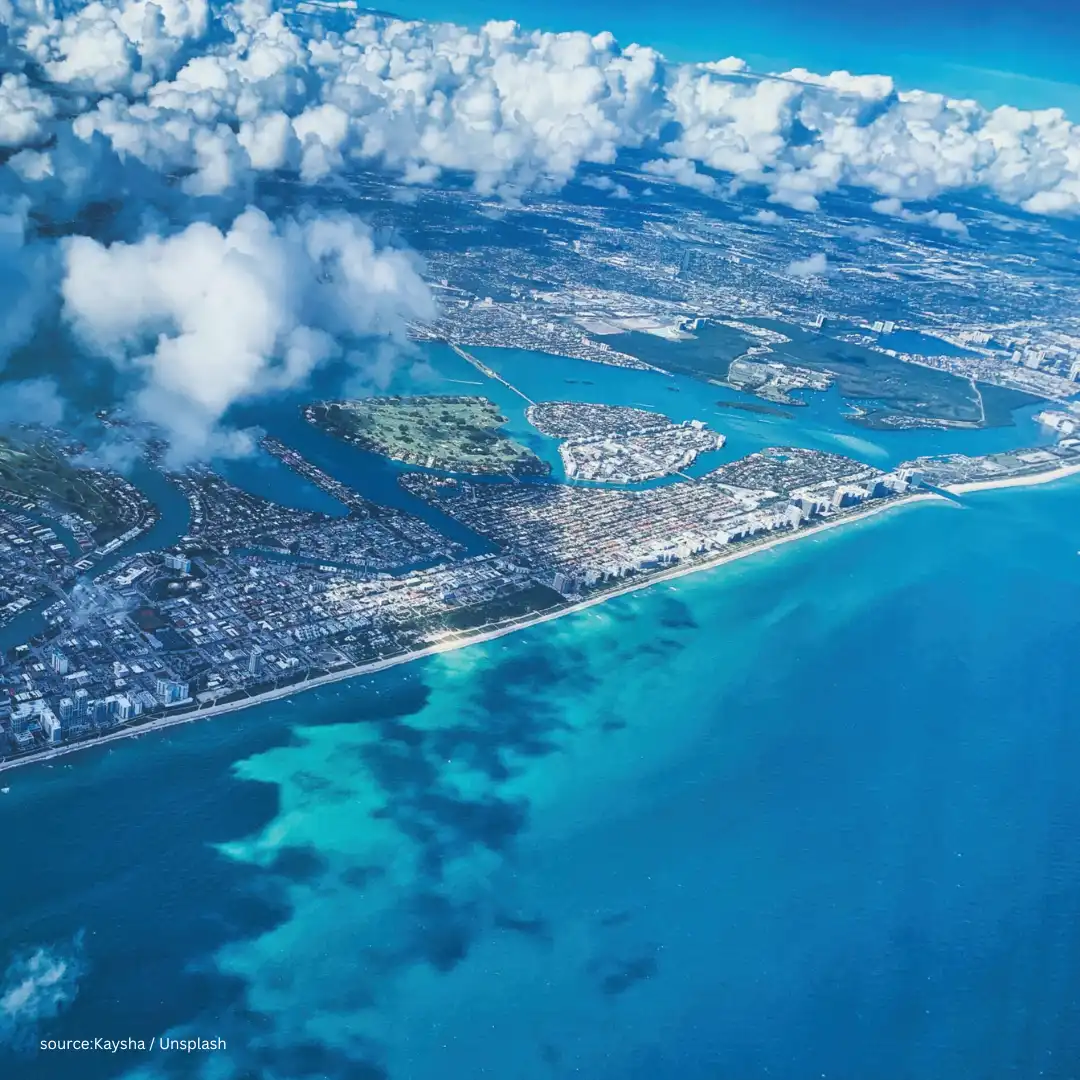
Across international luxury markets, the very limited number of properties that meet exacting clients’ standards continues to underpin pricing.
“We’re seeing the prime market continue to be shaped by supply and demand imbalances,” Sellers said. “In several key cities, demand remains far ahead of available prime stock.”
In global gateway cities such as New York, supply constraints are structural rather than cyclical. In Miami, internal U.S. migration has intensified pressure at the top end, while new supply struggles to keep pace. Across the pond in London, planning restrictions limiting the size of new developments have created scarcity among larger new-build apartments.
6. The Next Generation Rethinks Ownership
As wealth continues to pass to younger hands, assumptions about luxury ownership are shifting.
Knight Frank’s Liam Bailey has observed growing hesitation among younger wealthy buyers about maintaining expansive property portfolios.
“Lots of wealthy families might have two, three, four homes,” he said. “Is that something which the next generation will want to continue, or do people find that a little bit complicated in terms of their lifestyle?”
Younger affluent households appear more inclined to favor fewer properties that function across seasons and geographies. Homes that serve as long-term bases, well-connected, climate-resilient and easier to manage, are increasingly prioritized over fussy trophy assets that require constant oversight.
“Buyers at this level are prioritizing sustainability, tech-enabled living and amenities that enhance daily life,” Fabbri said. “With global wealth continuing to land in New York, the properties that deliver long-term value and lifestyle upside will see the strongest demand.”
Planning your next move in luxury real estate? Let’s start the conversation today.
courtesy of: mansionglobal
Social Cookies
Social Cookies are used to enable you to share pages and content you find interesting throughout the website through third-party social networking or other websites (including, potentially for advertising purposes related to social networking).